Residential · Lavallette, NJ · · By Nick Sheridan
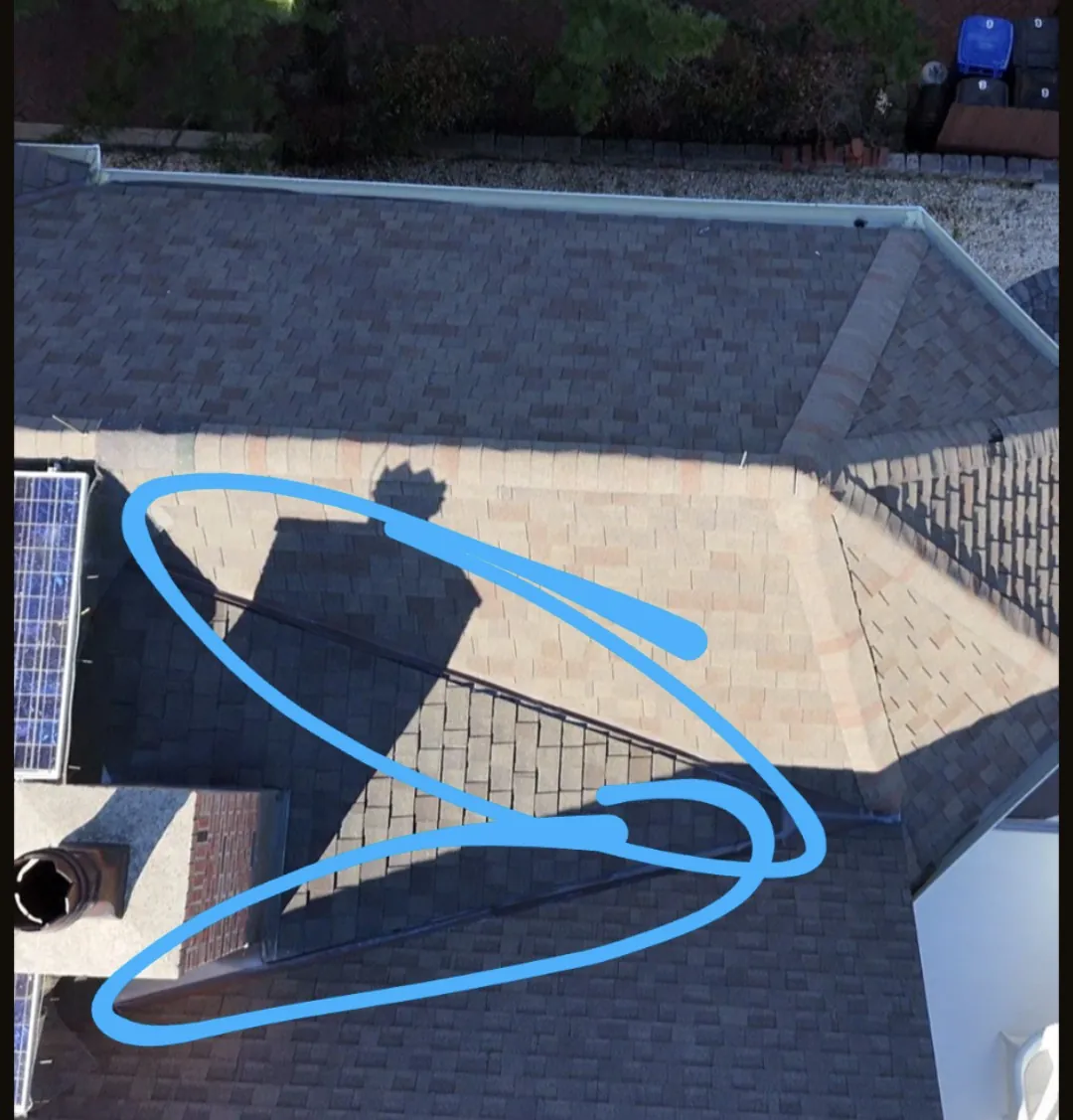
We noticed signs of a water leak at a home in Lavallette, NJ, during a routine Quarterly Maintenance Plan visit. Nothing about the day was unusual, and we were just working through the seasonal checklist when we saw it.
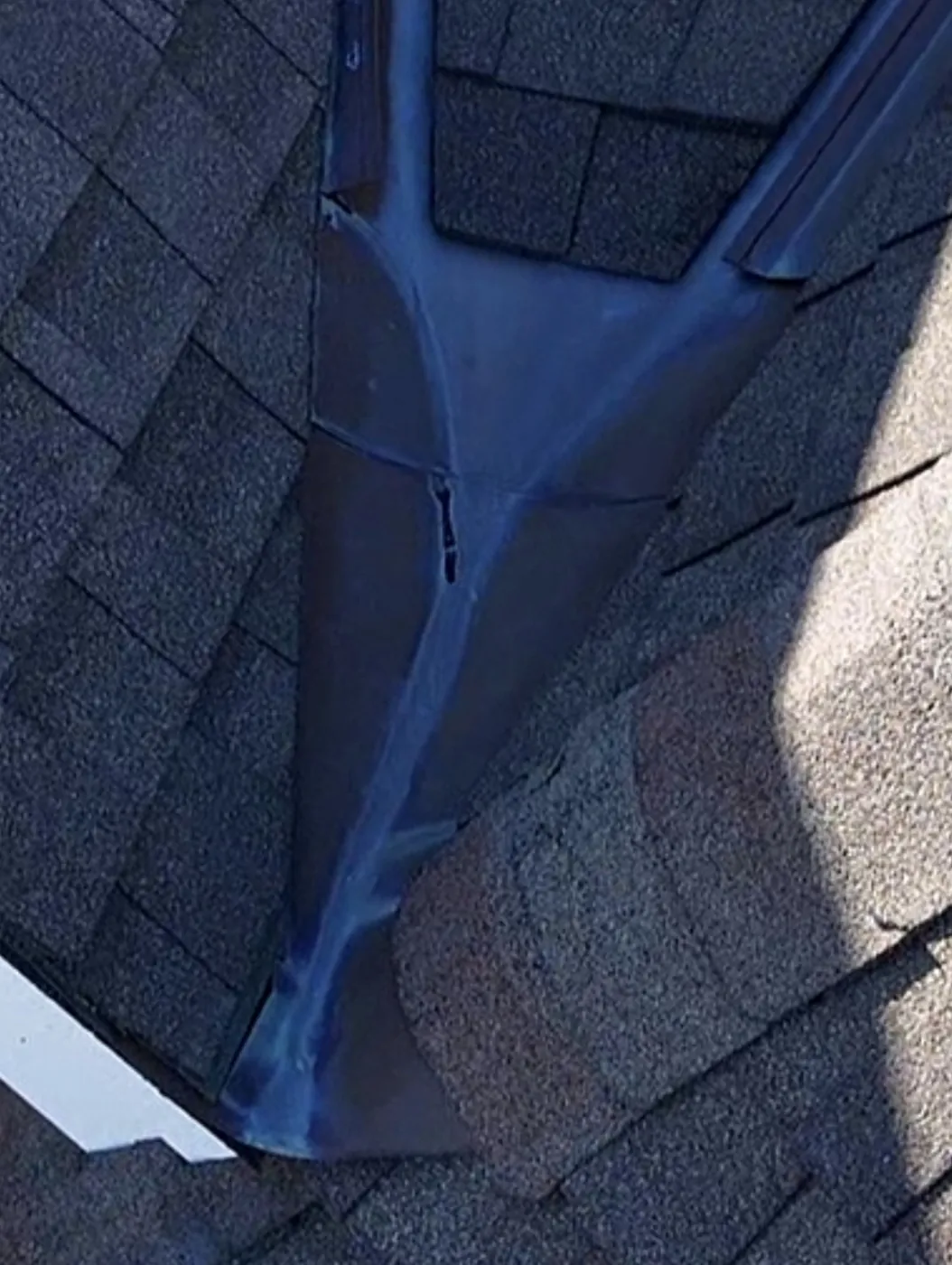
We had Roofworks NJ, a roofer we trust, come out the next day. It was failed flashing, and fixing it then kept the homeowner out of a much bigger bill.
What flashing is and why it fails
Shingles shed water on the open parts of a roof. The joints are flashing's job. It's the thin metal that seals the places where the roof meets something else, which means it goes around a chimney or a plumbing vent or a skylight and along any wall the roof runs into. Water running down the roof hits the flashing and gets sent back out over the shingles instead of into the house.
Flashing fails in a few ways. The sealant around it dries out and cracks, or the metal rusts through. Wind lifts an edge. Sometimes the house moves a little with the seasons and a joint opens up. Lavallette gets wind off the ocean and the bay, and wind pushes rain under anything that's lifted.
Why a small roof leak turns into a big job
A flashing leak doesn't drip into the living room on day one. The water runs down the underside of the roof deck and soaks into the framing and the insulation. It shows up as a stain somewhere else, often far from the actual hole. By the time there's a visible stain, the wood above it has been wet for a while.
If we hadn't been there that day, it would've kept leaking silently until the ceiling came down, mold set in, and a simple repair turned into a gut job. At that point, the wet drywall and wet insulation both have to come out. Somebody checks the framing and sometimes replaces it, and the mold has to be treated. The roof repair at the end of all that is the same repair it would've been on day one, with a much bigger invoice next to it.
Calling in the roofer
Roofworks NJ came out the next day, caught the failed flashing early and fixed it fast, and that saved the homeowner a ton of money. We're not roofers, and we don't pretend to be. Our job that day was to notice and to get the right trade on the roof quickly.
What you can check yourself
You can spot most roof leaks early with a flashlight and a few minutes after a heavy rain.
- Walk every room and look up. A yellow or brown ring on a ceiling is water. So is paint that bubbles, or a seam in the drywall that's started to show.
- Go into the attic with a flashlight and look at the underside of the roof deck. Dark streaks or damp insulation mean water's getting in. Look hardest around the chimney and around every pipe that goes through the roof.
- Stand in the yard and look at the roof. Flashing that's lifted or rusted is often visible from the ground.
- Check the gutters for shingle grit. A lot of grit means the shingles are wearing.
If you see any of that, get a roofer out. Don't wait for the next storm to see if it gets worse. It will.
How the Quarterly Maintenance Plan caught it
This leak wasn't on the checklist, and it didn't need to be. The plan puts us at the house four times a year, inside and out. We're on the roofline cleaning gutters in spring and fall and inside changing HVAC filters every visit, and when you're in a house that often, you notice when something's changed.
Every visit comes with time-stamped before and after photos and a report, so the homeowner had a record of what we saw and when we saw it.
This is the whole point of preventative maintenance. You don't know what you don't know until someone's looking.
Get your weekends back
Leave the maintenance to us. If you're in Lavallette or anywhere in Ocean or Monmouth County, call (732) 362-4425 or request a quote, and we'll walk you through the Quarterly Maintenance Plan. We're licensed, bonded, and insured, NJHIC #13VH13963600.